
Termite inspections
Professional termite inspections
Detect the warning signs before they become expensive. Termites can travel through soil and concealed voids, feeding inside timber long before obvious damage appears.
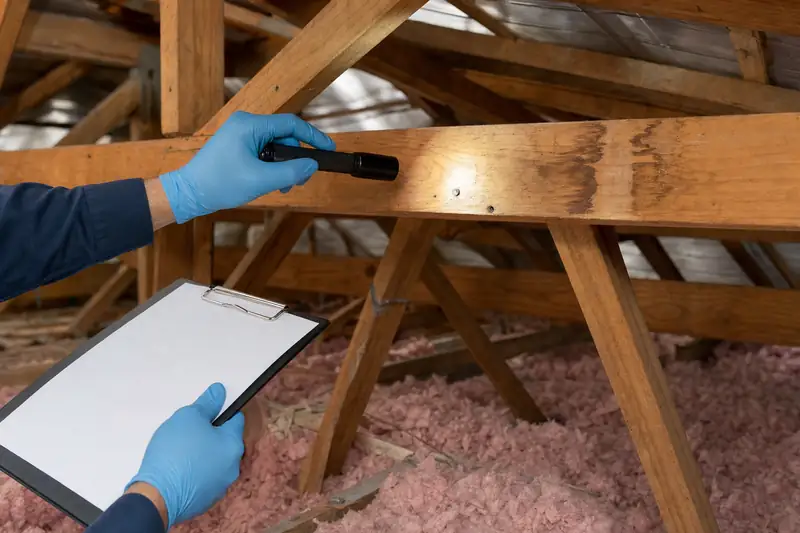
What we look for
Our inspections are designed to identify visible evidence of active termites, previous activity, timber damage and conditions that increase a property's susceptibility.
What an inspection can include
- Accessible living areas, walls, skirting boards, door and window frames and other suitable internal surfaces.
- Accessible roof spaces, roof framing, subfloors and under-house areas where safe access is available.
- Garage and external building perimeters, visible slab edges, inspection zones and accessible termite management components.
- Moisture-prone kitchens, bathrooms, laundries, plumbing areas, drainage and water leaks.
- Accessible fences, garden beds, retaining walls, tree stumps, stored timber and other potential food or entry areas.
- Indicators such as mud shelter tubes, damaged timber, suspicious sounds or moisture, old workings and discarded termite wings.
Our inspections are visual and non-invasive, subject to safe access and documented limitations. We may recommend further invasive investigation or a specialist building assessment if concealed activity or structural damage is suspected.
Why annual inspections matter
Your termite warranty may need regular inspections
Many termite management system warranties require inspections at set intervals, maintenance and prompt action on problems. If those conditions are not met, warranty benefits may be reduced, disputed or lost, depending on the agreement.
Most home insurance excludes termite damage
Most standard Australian home insurance policies exclude termite damage, so repairs to frames, floors, roof timbers and joinery can fall to the owner. Missing an inspection does not automatically cancel your home insurance: check your policy's PDS.
QBCC: inspect at least every 12 months
The QBCC recommends termite inspections at least every 12 months, or more often in higher-risk circumstances.
No termite management system gives a permanent guarantee that termites cannot enter a building.
Termite inspection FAQs
How often should I have a termite inspection?
Generally at least every 12 months, or more often where your property risk or management system requires it. Follow the interval in your report and warranty documents.
Does a termite inspection guarantee the home is termite-free?
No. A non-invasive inspection is limited by access, visibility and concealment. The report describes its findings and limitations.
Can you do pest control and a termite inspection together?
Yes, book the combined annual pest and termite inspection. They are distinct tasks with separate objectives.
How do I prepare for a termite inspection?
Provide safe access to relevant rooms, roof and subfloor access points and perimeter areas where possible, and tell us about known leaks, previous treatment or suspected activity.
What if termites are found?
Arrange an assessment and an appropriate management proposal. Where structural timber may be compromised, obtain a qualified building assessment.